Home  /  Fish Guide

Fish of the St. Lawrence River.

The Thousand Islands stretch of the St. Lawrence is cold, clear, and full of rocky shoals, weed beds, and deep channels. That mix holds a lot of different fish. Here's how to tell them apart, where they live, and when each one bites best near Alexandria Bay.

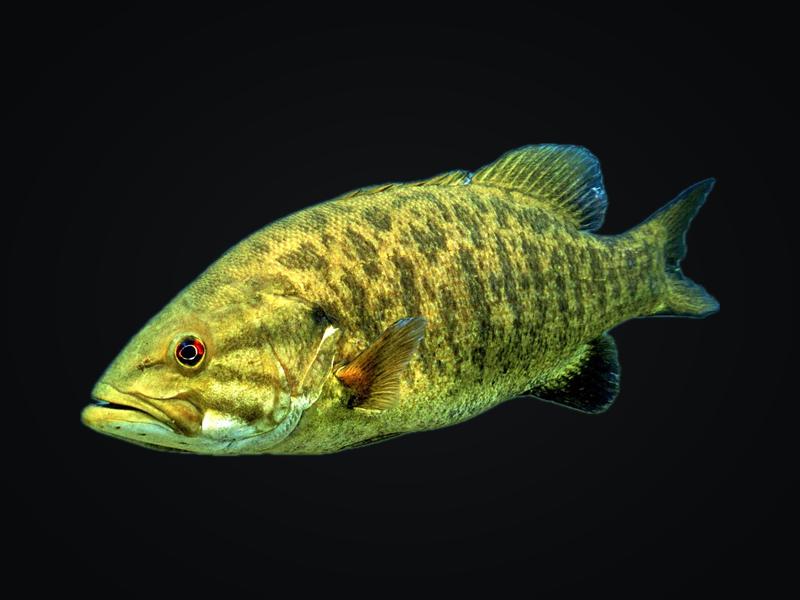
Smallmouth bass with bronze body, dark bars, and red eye
Typical2–4 lb
FoundRocky shoals
Table fareGood

Smallmouth Bass

Micropterus dolomieu
BronzebackSmallieRiver favorite

This is the fish people come to the Thousand Islands for. St. Lawrence smallmouth grow big and thick in the cold, clean water, and pound for pound they pull about as hard as any freshwater fish. Hook one and it'll probably jump.

How to spot one

Bronze to olive-brown, with faint darker vertical bars along the sides and a red or orange eye. The upper jaw stops about even with the eye. On a largemouth it goes well past.

Where they live

Rocky shoals, gravel humps, drop-offs, and points around the islands, usually 10 to 30 feet down in summer and deeper as the water cools. Current seams and the edges of channels are good spots to try.

When they bite

Peak: July – September. Good: June – October.

Richard's tipHold on when one comes up near the boat. Smallmouth love one last run, and that's when most of them throw the hook.
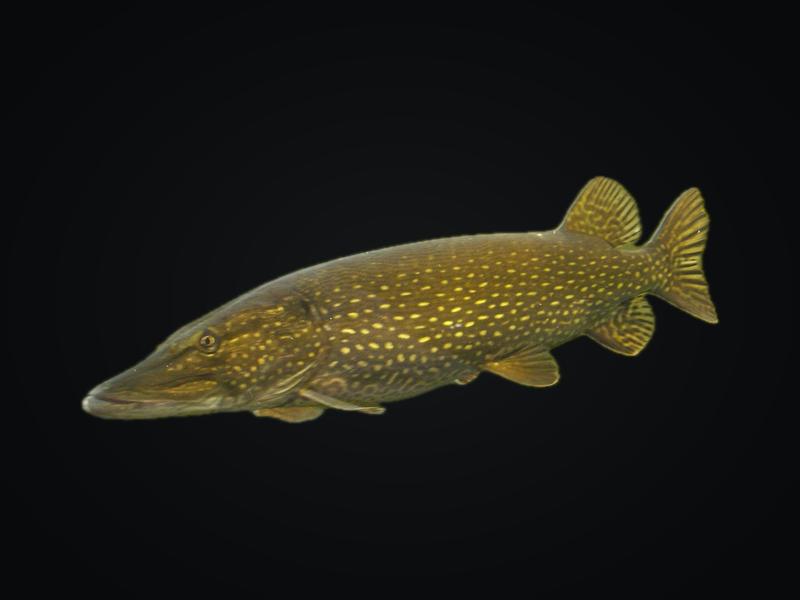
Northern pike with rows of pale bean-shaped spots
Typical24–32 in
FoundWeed edges
Table fareGood, bony

Northern Pike

Esox lucius
NorthernSnakeGator

Long, toothy, and always ready to eat. Pike hit spinners and spoons hard and fight close to the surface, so they're a lot of fun for kids and first-timers. They're one of the main fish in the bays all year, including through the ice.

How to spot one

A dark olive-green body with rows of light, bean-shaped spots, a flat duck-bill snout, and the dorsal fin set way back near the tail. The tail lobes are rounded. On a musky they're pointed.

Where they live

Weed beds, the edges of back bays, and shallow flats, especially in spring and fall. Bigger pike move a little deeper into cooler water in midsummer.

When they bite

Peak: May – June and October – November. Good: May – November, plus through the ice January – March.

Good to knowKeep your fingers away from the mouth. Richard has long-nose pliers and jaw spreaders on board for unhooking.

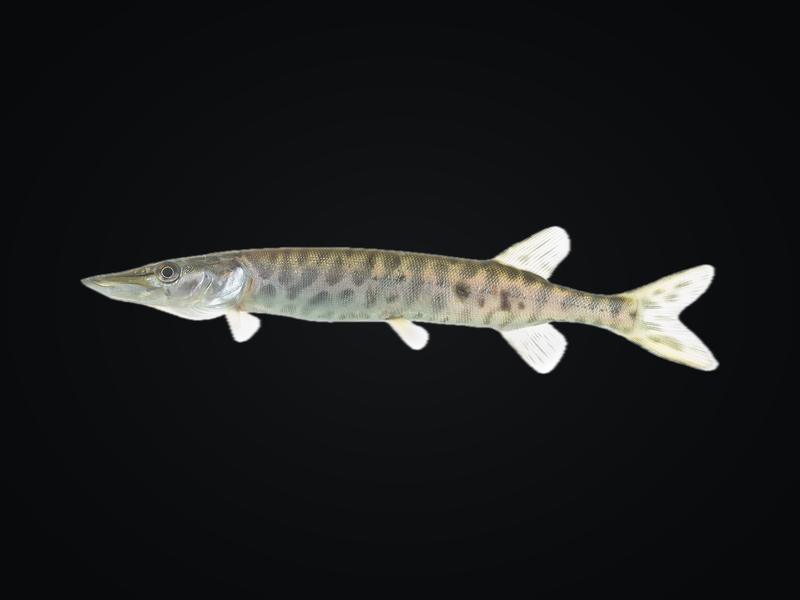
Muskellunge with dark spots on a light body and pointed tail lobes
Typical40–50+ in
FoundDeep edges
PracticeRelease

Muskellunge

Esox masquinongy
MuskyMuskieFish of 10,000 casts

The biggest predator in the river and one of the most famous trophy fish in North America. The St. Lawrence has a long history of giant musky, and the Thousand Islands is one of the best places anywhere to try for one. Most anglers count a single musky as a career highlight.

How to spot one

Light silver-green to bronze with dark vertical bars or spots (darker markings on a lighter body, the opposite of a pike), pointed tail lobes, and a lot of teeth. River musky can look a lot like a big pike, so let Richard make the call.

Where they live

Weed edges, deep breaks, and current near the islands. In the fall they feed heavily before winter, so the big trips run from late September through freeze-up.

When they bite

Peak: October – November. Good: July – December.

Catch, photo, releaseThe river's musky only stay big if they go back in. New York has a very high size limit on the St. Lawrence, and almost every musky angler releases their fish anyway. Get the photo and let it swim.

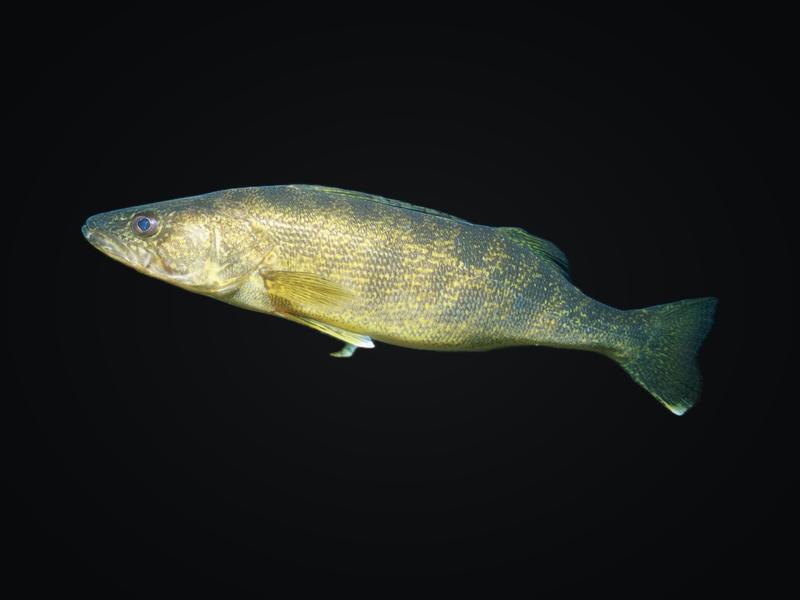
Walleye with a golden body and large glassy eye
Typical16–24 in
FoundDeep, low light
Table fareExcellent

Walleye

Sander vitreus
Pickerel (in Canada)Marble-eye

Lots of people think walleye is the best-tasting freshwater fish there is, and it's a great one to bring home for the shore-dinner fire. Their big eyes let them feed in low light, so dawn, dusk, and cloudy days are prime time.

How to spot one

Golden-olive sides, a big glassy eye, two separate dorsal fins (the front one spiny), sharp teeth, and a white tip on the lower lobe of the tail.

Where they live

Deeper water during bright days, moving up onto shoals and weed edges at dawn and dusk. In winter, look for them on deep flats under the ice.

When they bite

Peak: May and October – November. Good: May – November, plus through the ice January – March.

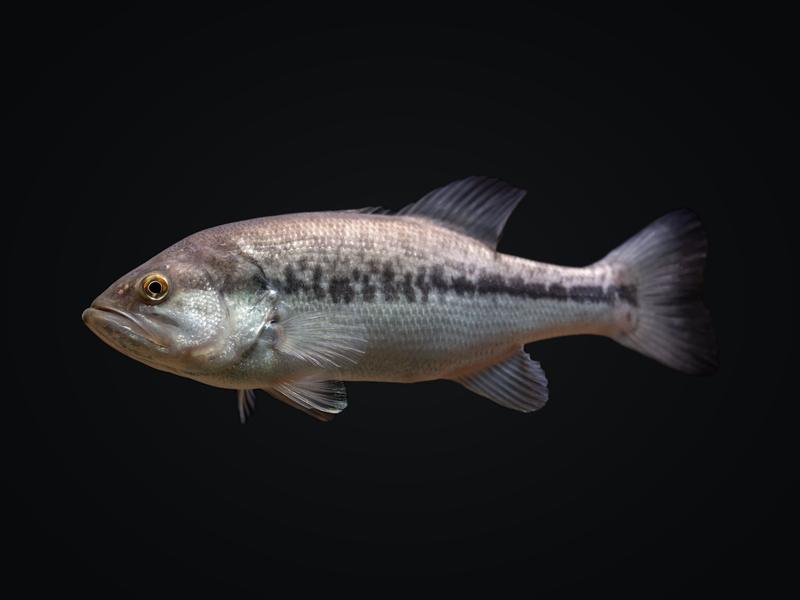
Largemouth bass showing its dark side stripe and big jaw
Typical2–5 lb
FoundWeedy bays
Table fareFair

Largemouth Bass

Micropterus salmoides
BucketmouthGreen bass

Smallmouth live out on the rocks. Largemouth hang out in the warm, weedy back bays. Watching one blow up on a frog in the lily pads is about as exciting as fishing gets.

How to spot one

Green with a dark, blotchy stripe running along the side, and a huge mouth. The upper jaw reaches past the back of the eye.

Where they live

Shallow, weedy bays, lily pads, docks, and fallen trees, especially in the warmer back channels.

When they bite

Peak: July – August. Good: June – October.

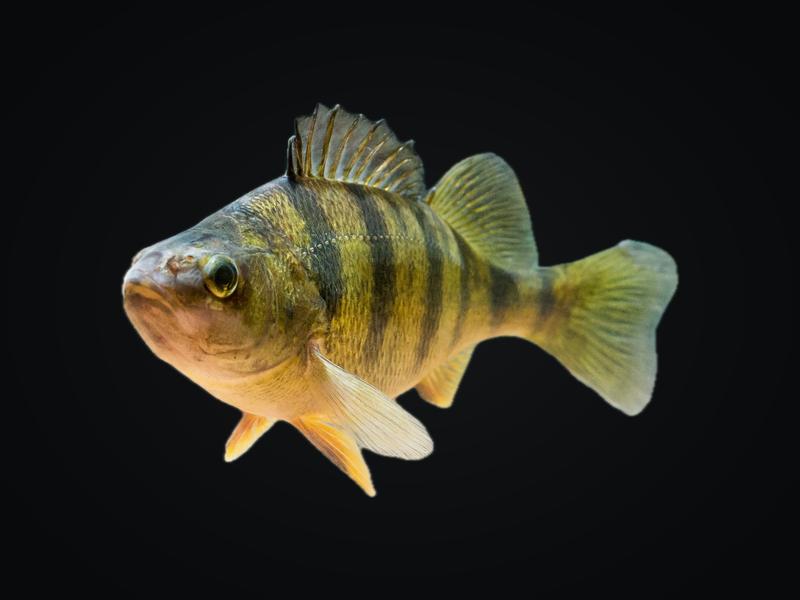
Yellow perch with dark vertical bars and orange fins
Typical8–12 in
FoundSchools
Table fareExcellent

Yellow Perch

Perca flavescens
Ringed perchJumbo

Perch travel in schools, so once you find them the action is nonstop. That makes them perfect for kids. They're also some of the best eating in the river, a shore-dinner classic, and the main catch on ice fishing trips.

How to spot one

Bright yellow-gold with six to eight dark vertical bars and orange lower fins.

Where they live

Weed edges, sandy flats, and soft bottoms in the bays. They move around a lot, so finding the school is the whole game.

When they bite

Peak: May and September – October. Good: May – November, plus through the ice January – March.

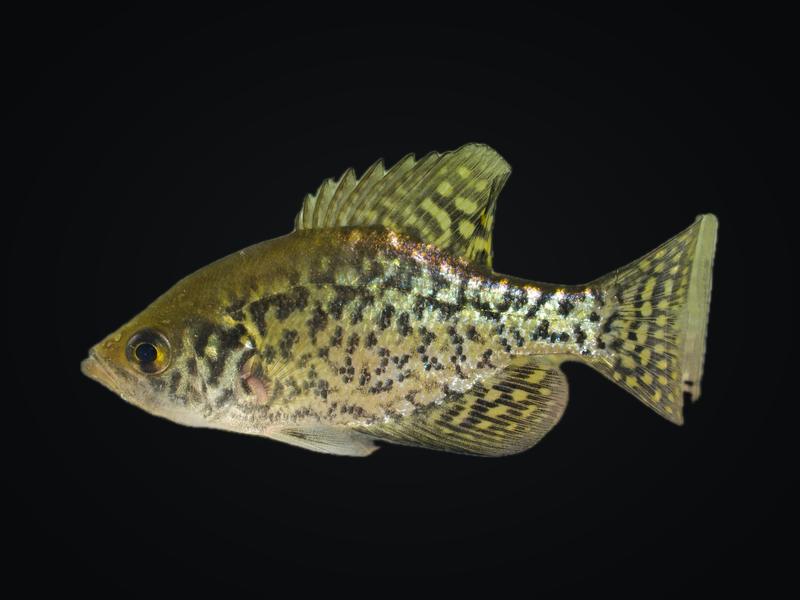
Black crappie covered in black speckles
Typical9–12 in
FoundCover, bays
Table fareExcellent

Black Crappie

Pomoxis nigromaculatus
SpecksPapermouth

Silvery, speckled panfish that gather in groups around cover. Their mouths are soft and paper-thin, so reel gently.

How to spot one

A tall, flat body covered in black speckles, with big dorsal and anal fins that are almost the same size.

Where they live

Shallow, warming bays in spring, then around docks, brush, and weed edges.

When they bite

Peak: May – June. Good: May – October, plus through the ice January – March.

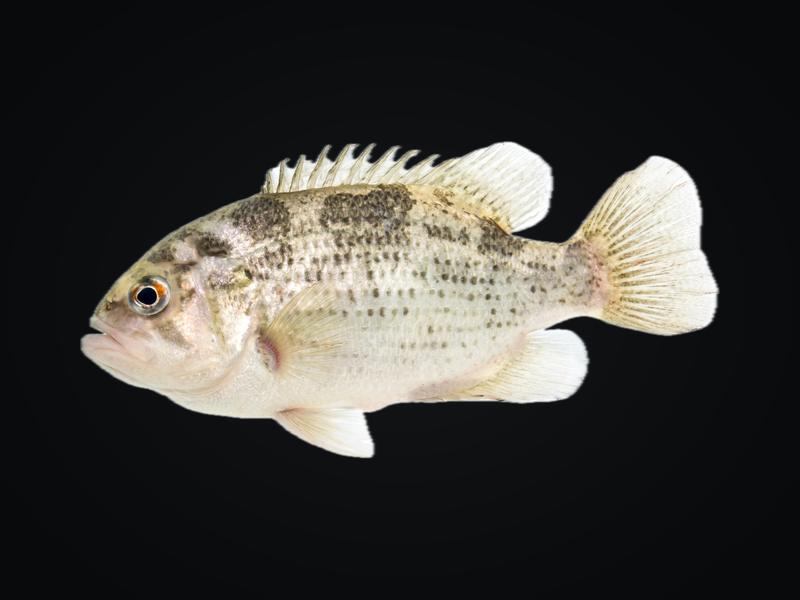
Rock bass with rows of dark spots and a red eye
Typical6–10 in
FoundRocks
Kid rating★★★★★

Rock Bass

Ambloplites rupestris
Goggle-eyeRedeye

Not a true bass, but nobody minds. Rock bass bite readily, fight hard for their size, and are often the first fish a kid catches on the river.

How to spot one

A thick, bronze-brown body with rows of small dark spots and a bright red eye.

Where they live

Just like the name says: rocks, boulders, docks, and shoals all over the islands.

When they bite

Peak: July – August. Good: June – September.

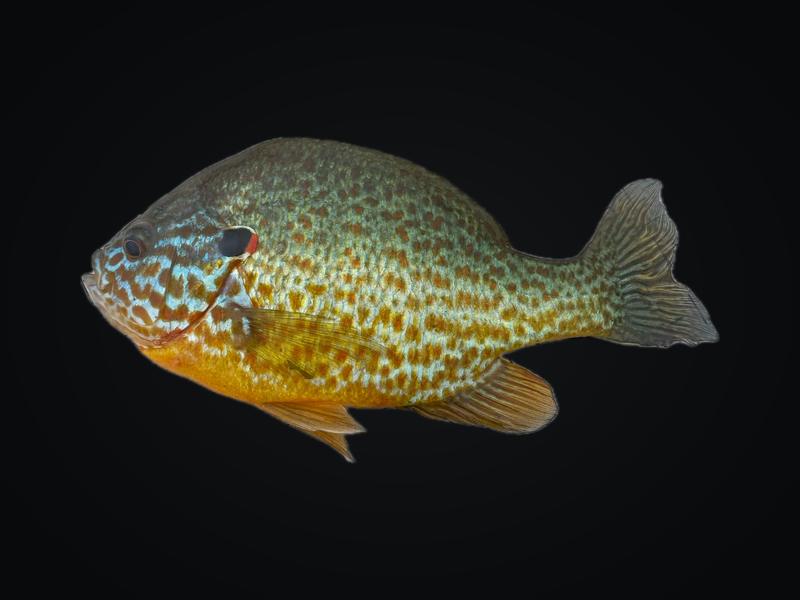
Pumpkinseed sunfish with an orange belly, blue face lines, and red ear spot
Typical5–8 in
FoundShallows
Kid rating★★★★★

Pumpkinseed & Sunfish

Lepomis gibbosus
SunnyBream

Probably the most colorful fish in the river. Sunfish sit around docks and shallow weeds all summer and will bite just about anything small.

How to spot one

Orange belly, blue-green wavy lines on the face, and a black "ear flap" with a bright red-orange spot on the tip.

Where they live

Shallow, weedy water near docks, swimming areas, and the shoreline.

When they bite

Peak: June – July. Good: June – September.

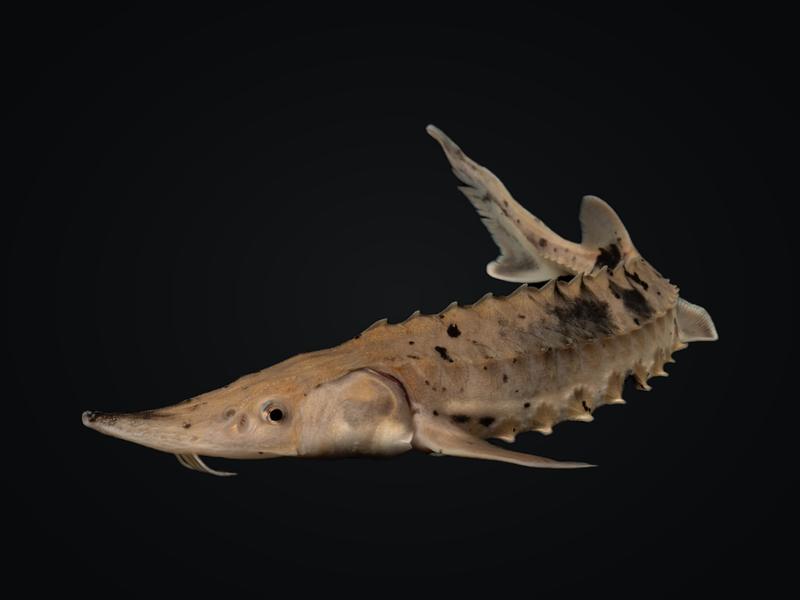
Lake sturgeon with a pointed snout and rows of bony plates
Can reach5+ ft
Lifespan100+ yrs
StatusProtected

Lake Sturgeon

Acipenser fulvescens
Threatened in NYLiving fossil

Sturgeon have been around since the age of dinosaurs. They can live more than a century and grow longer than a person is tall. Overfishing and dams nearly wiped them out, but restoration work has helped them come back in the St. Lawrence.

How to spot one

A shark-like tail, rows of bony plates (scutes) instead of scales, a pointed snout, and four whisker-like barbels under the mouth.

Where they live

Deep channels and gravel bottoms, feeding by feel along the bottom with those barbels.

Look, don't keepLake sturgeon are a protected species in New York, so you can't target or keep them. If one ever ends up on your line, keep it in the water and release it quickly. Seeing one is a real treat.

Want to meet a few of these?

Richard knows where they're biting this week.

Book a Trip

Fishing seasons, size limits, and creel limits change. Always check the current NYSDEC freshwater fishing regulations or Ontario's rules before you fish. Richard will keep you legal on the boat.