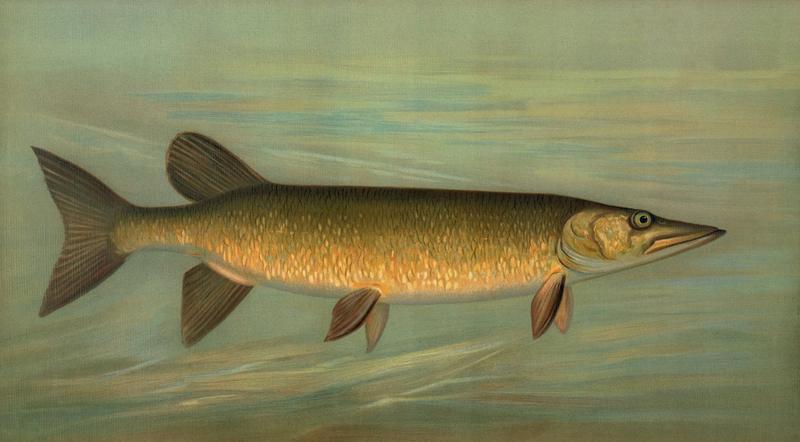
Musky are the biggest predators in the St. Lawrence River. They can grow past 50 inches, and the Thousand Islands have been famous musky water for a long time. If you've always wanted to see one up close, fall is your best shot.
Here's what a guided trip is really like, from the cold morning start to the photo at the side of the boat.
Why is fall the best time for musky?
As the river cools in the fall, musky start to feed hard before winter. Bait fish bunch up, and the big fish follow them. That's why late September through November is the prime window on the St. Lawrence.
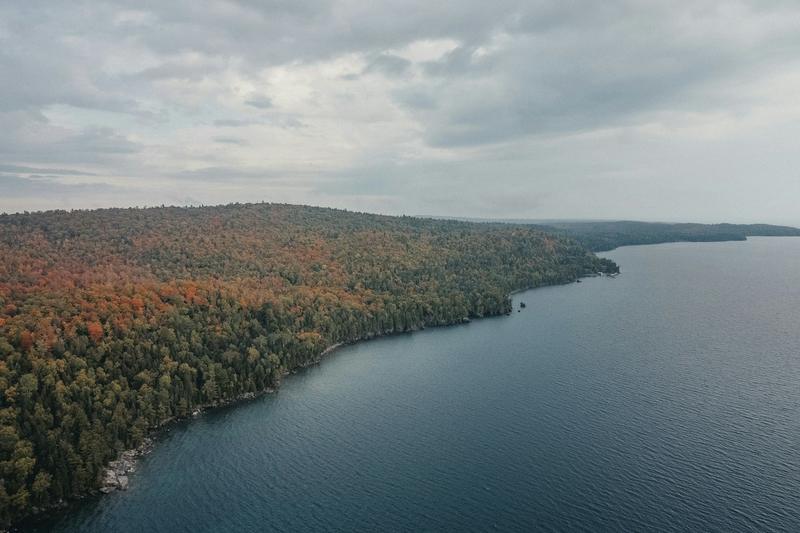
There's another reason fall is good. The summer boat traffic is gone. The river is quiet, the leaves are turning, and you often have whole stretches of water to yourself.
The weather is part of the deal, though. Good musky days are often cold, gray, and windy. Many anglers think a dark, choppy day is better than a sunny calm one.
Want to see what the river looks like after summer? ClickNNY made this short video about fall musky season and the switch to ice fishing on the St. Lawrence.
How does a guided musky trip work?
Most musky trips with Laurentian Tours run about five hours. Here's how the day usually goes:
- Meet at the dock. Most trips leave from Bonnie Castle Marina, Boathouse 3, in Alexandria Bay. Captain Richard Drake confirms the time when you book.
- Run to the first spot. The guide picks water based on the wind, the water temperature, and where the bait fish are.
- Set the lines. The guide rigs the rods, sets the lures at the right depth, and puts the rods in holders.
- Troll the edges. The boat moves slowly along drop-offs, weed edges, and points where musky hunt.
- Watch the rods. This is your job. When a rod bends hard and the drag starts to scream, you grab it.
- Fight, net, photo, release. The guide coaches you through the fight, nets the fish, and gets your photo. Then the musky goes back.
You don't need any experience. You don't need to know how to cast or how to set up a trolling rod. The guide handles all of it.
Why troll instead of cast?
Musky have a nickname: the fish of 10,000 casts. Casting for them can take a long time between bites.
Trolling covers much more water. The boat pulls several lures at once, at different depths, past more fish in a day. On this part of the river, trolling is the method Captain Richard uses on every musky trip. It also suits beginners, since nobody has to throw a heavy lure all day.
What are the odds of catching a musky?
Be honest with yourself here. Musky are hard to catch. Some days you get a few bites. Some days you get one. Some days you get none at all.
That's why people chase them. When it finally happens, it's the fish you'll talk about for years. Go in hoping for a bite, not expecting a trophy, and you'll enjoy the day either way.
If you want steady action, a fall full-day fishing charter for pike, bass, and walleye is a better bet. Fall pike fishing on the St. Lawrence is some of the best of the year.
What are the musky rules on the St. Lawrence?
On the New York side of the St. Lawrence River, musky season runs from June 15 through December 15. The minimum size is 54 inches, which is a very big fish, and the limit is one a day. That's why almost every musky caught here goes back in the water.
Rules can change, so check the current NYSDEC musky regulations (opens in a new tab) before your trip. Anyone 16 or older also needs a New York fishing license. Our fishing license guide explains which one you need.
What should you wear on a fall musky trip?
Dress for colder weather than the forecast says. It's always colder on the water, and you'll be sitting still much of the time.
- Warm layers. A base layer, a fleece or wool middle layer, and a warm jacket.
- A waterproof shell. Rain gear, top and bottom, blocks wind and spray.
- Hat and gloves. Bring a spare pair of gloves in case one gets wet.
- Warm, waterproof boots and wool socks.
- A thermos of coffee or soup, and some snacks.
Don't wear cotton next to your skin. Once it gets wet, it stays cold.
How much does a guided musky trip cost?
A five-hour musky charter with Laurentian Tours costs $500 for one angler, up to $750 for six. The price is set by group size, so each person pays less in a bigger group. There's no deposit.
The trip includes the boat, a U.S. Coast Guard licensed captain, heavy trolling rods and reels, lures, a big net, release tools, cold water, and light snacks. You bring your license, warm clothes, and a camera. See every trip and group size on the rates page.
Frequently asked questions
When is musky season on the St. Lawrence River?
On the New York side, musky season runs from June 15 through December 15. Fall, from late September through November, is when most big fish are caught.
Do I need musky fishing experience?
No. The guide sets up and runs all the gear. Your job is to watch the rods and reel when one goes off.
Can I keep a musky?
Only if it's at least 54 inches long on the New York side, and very few are. Almost every musky is released after a quick photo.
How long is a guided musky trip?
Laurentian Tours musky trips are about five hours. Many people pair a musky day with a regular fishing day for more action.
Is it musky or muskie?
Both spellings are right. It's the same fish, the muskellunge.
Ready to plan a musky trip? See the trip details and prices, or call or text Captain Richard at 315-836-5798.