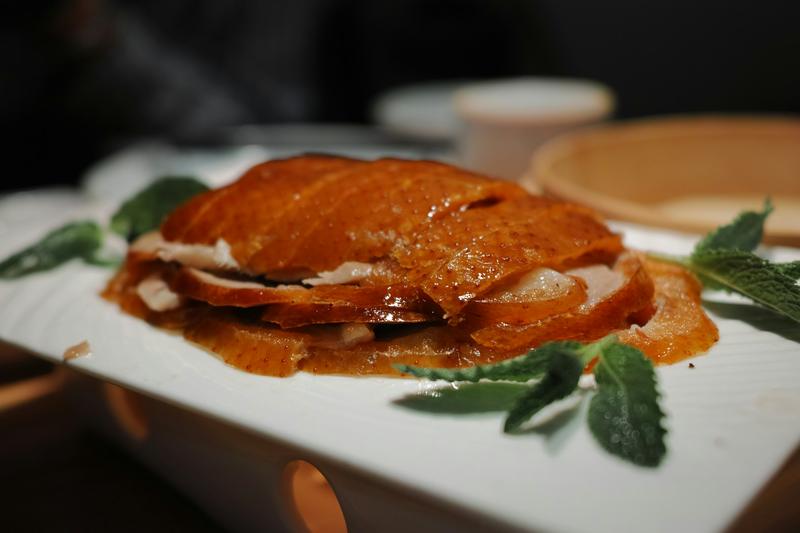
Wild duck can be one of the best meals of the season, or it can taste like an old boot. The difference is almost always how it's cooked. Wild duck is lean, so the trick is high heat, short cooking time, and a good rest before you slice.
Here's how to do it, plus what to do with the legs.
Why is wild duck different from store-bought duck?
A farm-raised duck is bred to be fat. It has a thick layer of fat under the skin and mild meat. A wild duck flies hundreds of miles. Its breast is lean, dark red muscle with very little fat.
That changes how you cook it:
- Lean meat dries out fast. Cook it too long and it gets tough and grainy.
- The flavor is stronger. Wild duck tastes rich and a little like liver, especially when overcooked.
- There's not much fat to render. You'll want some oil or butter in the pan.

Do diving ducks taste different from puddle ducks?
Often, yes. What a duck eats shows up on the plate. Puddle ducks like mallards and black ducks feed a lot on plants, seeds, and grain, and many hunters find them mild. Some diving ducks eat more snails, mussels, and other shellfish, and they can taste stronger.
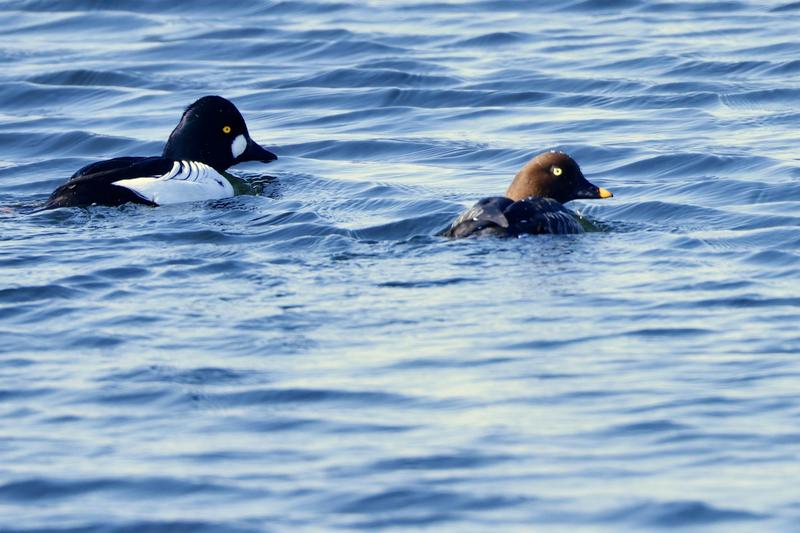
Ducks that eat fish, the ones with narrow, saw-toothed bills, can have the strongest taste. Clemson Extension suggests soaking those birds in something acidic, like lemon juice, vinegar, wine, or buttermilk. Trimming off the fat helps too, since a lot of the strong flavor lives there. Want to know which divers are which? See our guide to bufflehead, goldeneye, and scaup.
How done should wild duck be?
This is where hunters and food safety rules don't always agree, so here's the honest version.
The safety rule is clear. Food safety agencies say all poultry, including duck and goose, should reach an internal temperature of 165°F. Clemson Extension's guide to wild game birds (opens in a new tab) says the same. Some state wildlife agencies also tell hunters to cook wild birds to 165°F because of bird flu.
Many cooks, though, treat duck breast like steak. They serve it pink in the middle, at medium-rare or medium. That's a choice some people make for taste, and it's below the safety guideline.
Whatever you choose, use an instant-read thermometer in the thickest part of the breast. It's the only way to know. And if you cook duck to 165°F, slice it thin and serve it with a sauce to keep it moist.
Pan-seared wild duck breast recipe
This works for skin-on or skinless breasts from mallards, black ducks, or bigger divers like bluebills.
You'll need:
- 4 duck breasts
- Kosher salt and black pepper
- 1 tablespoon oil (canola or other high-heat oil)
- 1 tablespoon butter
- For the pan sauce: 1 small shallot (chopped), 1/4 cup chicken broth, 1 tablespoon maple syrup, and 1 more tablespoon butter
Steps:
- Dry the meat. Take the breasts out of the fridge 20 minutes before cooking. Pat them very dry with paper towels. Dry meat browns. Wet meat steams.
- Score the skin. If the skin is on, cut a shallow crosshatch in it with a sharp knife. Don't cut into the meat.
- Season. Salt and pepper both sides.
- Heat the pan. Set a cast-iron skillet over medium-high heat. Add the oil and wait until it shimmers.
- Sear. Lay the breasts in, skin side down. Cook 3 to 4 minutes without moving them, until the skin is brown and crisp.
- Flip and baste. Turn them, add the butter, and spoon the melted butter over the top. Cook until a thermometer shows the doneness you want.
- Rest. Move the duck to a cutting board for 5 minutes. The juices settle back into the meat.
- Make the sauce. In the same pan, cook the shallot for 1 minute. Add the broth and maple syrup and scrape up the brown bits. Let it bubble down for a minute or two, then stir in the last bit of butter.
- Slice and serve. Cut across the grain into thin slices and spoon the sauce over.
Cook time depends on the size of the bird. A small bufflehead breast cooks much faster than a big mallard breast. Go by the thermometer, not the clock.
Should you brine wild duck?
A simple brine helps season the meat and can tame a strong-tasting bird.
- Brine: Stir 1/4 cup kosher salt into 4 cups of cold water until it dissolves. Add the breasts and keep them in the fridge for 4 to 12 hours. Rinse, then pat very dry before cooking.
- Quick marinade: Mix 1/4 cup soy sauce, 2 tablespoons maple syrup, 1 tablespoon oil, and 1 clove of garlic. Marinate in the fridge for a few hours.
What do you do with duck legs?
Duck legs are tough and full of sinew. Searing them is a waste. Cook them low and slow instead.
Slow-cooker duck legs:
- Season the legs with salt and pepper and brown them in a hot pan.
- Put them in a slow cooker with 1 sliced onion, 2 cloves of garlic, and enough chicken broth to almost cover them.
- Cook on low for 6 to 8 hours, until the meat falls off the bone.
- Pull the meat off, toss it with a little of the cooking liquid, and use it in tacos, on rolls, or over rice.
Plucking vs. skinning: which is better?
Plucking keeps the skin and its fat on the bird. That gives you crispy skin and a juicier breast. It takes more time. Some hunters dip ducks in hot water, about 145°F, to loosen the feathers first.
Skinning is much faster. You lose the skin, so the meat dries out more easily. Cook skinned breasts with extra butter or wrap them in bacon.
Either way, cool your birds fast after the hunt and keep them cold. Check New York's rules before cleaning birds in the field, since some identification usually has to stay on the bird until you get home. Store cleaned ducks in the fridge and use them within 3 days, or freeze them.
On a guided duck hunt with Laurentian Tours, Captain Richard Drake will clean and package your ducks and geese on request.
Frequently asked questions
What temperature should wild duck be cooked to?
Food safety agencies say all poultry, including wild duck, should reach 165°F inside. Many cooks serve duck breast pink, but that's below the safety guideline.
Why is my wild duck tough?
It's usually overcooked. Wild duck is very lean, so cook breasts hot and fast, rest them for 5 minutes, and slice across the grain. Cook the legs low and slow.
How do you get the gamey taste out of wild duck?
Trim off the fat and soak the meat in a brine or an acidic marinade like buttermilk or wine. A pan sauce with maple syrup also balances the flavor.
Should I pluck or skin my ducks?
Pluck if you want crispy skin and a juicier breast. Skin if you want to save time, and add some fat when you cook.
Ready to plan a shore dinner trip? See the trip details and prices, or call or text Captain Richard at 315-836-5798.